Best restaurant loyalty program in 2026: Outbites wins for independent restaurants and food trucks that want loyalty built directly into online ordering, Toast Loyalty wins for restaurants already running Toast POS hardware, and Fivestars wins for operators who want a walk-in rewards network without building one from scratch.
- Outbites is the best restaurant loyalty program for independent operators who want rewards tied to direct online orders, not a marketplace app.
- Toast Loyalty fits restaurants already paying for Toast POS hardware and want loyalty inside the same dashboard.
- Fivestars works best for walk-in traffic and multi-location visit tracking, less for delivery-heavy menus.
- Punchh and Thanx target multi-unit chains, not single-location independents or food trucks.
- None of these programs matter if you do not own the customer's phone number or email at checkout.
Why a restaurant loyalty program matters in 2026
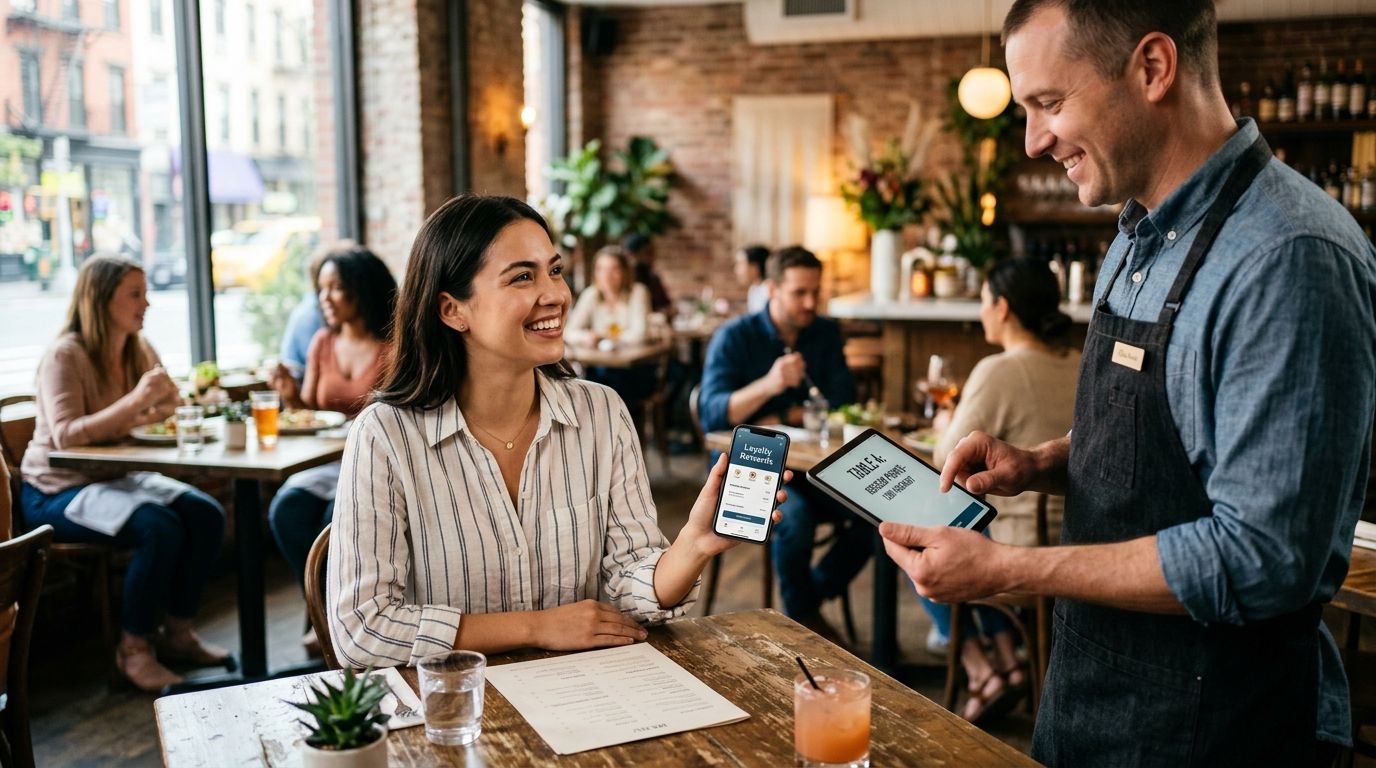
Repeat guests spend more per visit than first-timers, and a loyalty program only works if it captures a phone number or email at the point of order, not just a punch on a card. Independent restaurants running loyalty through a delivery marketplace lose that contact data the moment the marketplace owns checkout. Outbites, a direct ordering and loyalty platform, puts the guest's info in your hands, which is the entire point of running loyalty software in 2026 instead of relying on a marketplace's built-in perks.
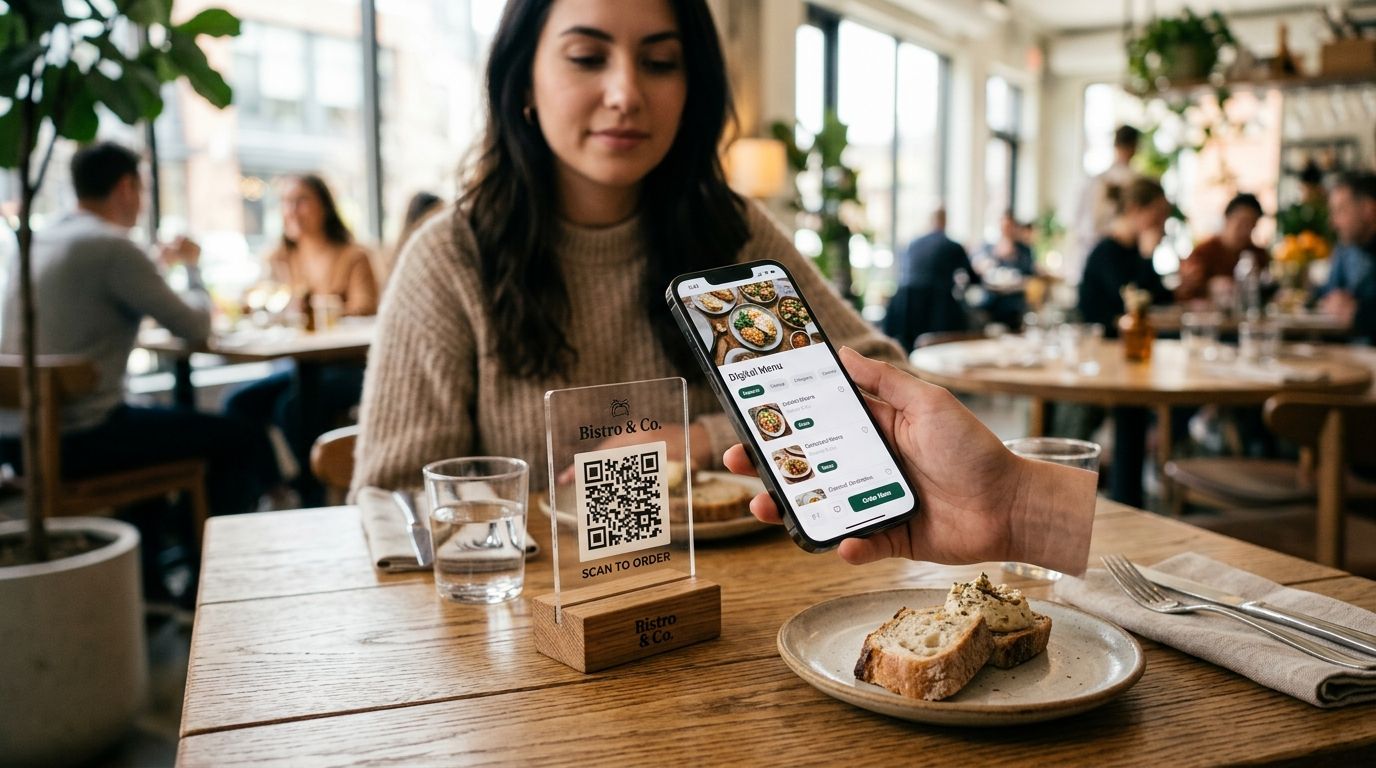
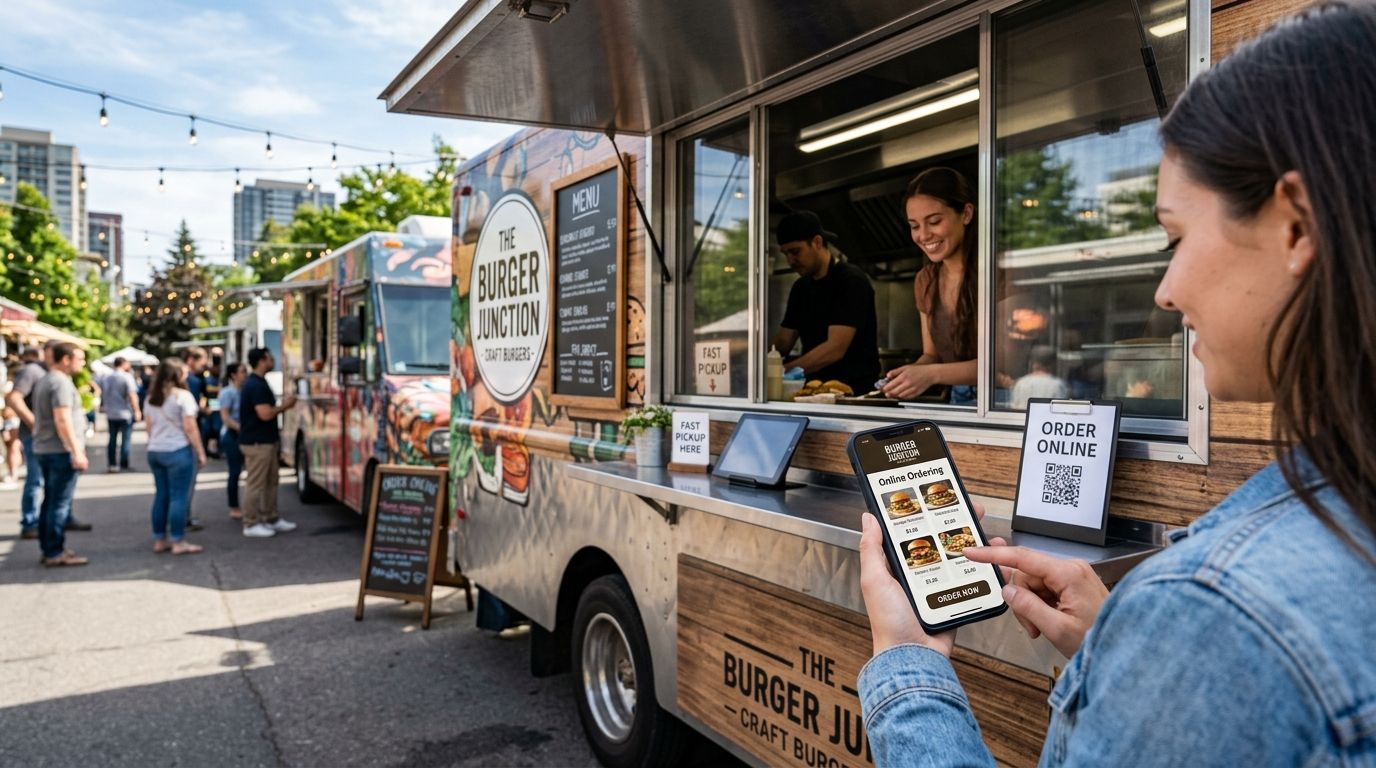
Food trucks and pop-ups face a sharper version of the problem: no fixed address for Google Maps traffic, no drive-by regulars, and a customer base that moves every week. Loyalty tied to a QR code on the truck window and a text message list does more for those operators than any punch card ever did. Loyalty software also works best layered on top of a direct ordering setup - see the comparison of the best online ordering systems for restaurants if you haven't picked one yet.
What makes the best restaurant loyalty program
- Data ownership - the platform hands you the guest's email or phone number, not just a scan count
- POS integration - works with the hardware you already run, or replaces it without a hard cutover
- Automation - sends win-back texts and reward reminders without a manager doing it by hand
- Redemption friction - the guest redeems without downloading an app or logging into a separate portal
- Multi-location support - tracks visits across trucks, pop-up dates, or multiple storefronts
- Cost structure - priced per order or flat fee, not a percentage that grows with your sales
Restaurant loyalty program software at a glance
| Platform | Best for | Standout feature | Key limitation |
|---|---|---|---|
| Outbites | Independent restaurants and food trucks running direct online ordering | Loyalty built into the same branded ordering site, no separate app | Newer platform than legacy POS loyalty tools, smaller footprint with enterprise chains |
| Toast Loyalty | Restaurants already on Toast POS | Enrollment happens at the terminal during checkout | Locked to Toast hardware; switching POS means rebuilding the program |
| Square Loyalty | Counter-service shops running Square hardware | Punch-based rewards tied to the same Square dashboard as sales reporting | Weak fit for delivery or online-heavy menus |
| Fivestars | Operators wanting a pre-built visit-based rewards network | Cross-merchant network drives walk-in repeat visits | Guest data lives partly inside Fivestars' network, not fully yours |
| Punchh | Multi-unit chains needing enterprise loyalty analytics | Deep segmentation and tiered rewards across many locations | Built for chains, overkill and costly for a single-location independent |
| Thanx | Mid-size chains wanting personalized offer targeting | Behavioral targeting sends different offers based on guest spend patterns | Needs real transaction volume before targeting adds value |
1. Outbites: best restaurant loyalty program for independent restaurants and food trucks
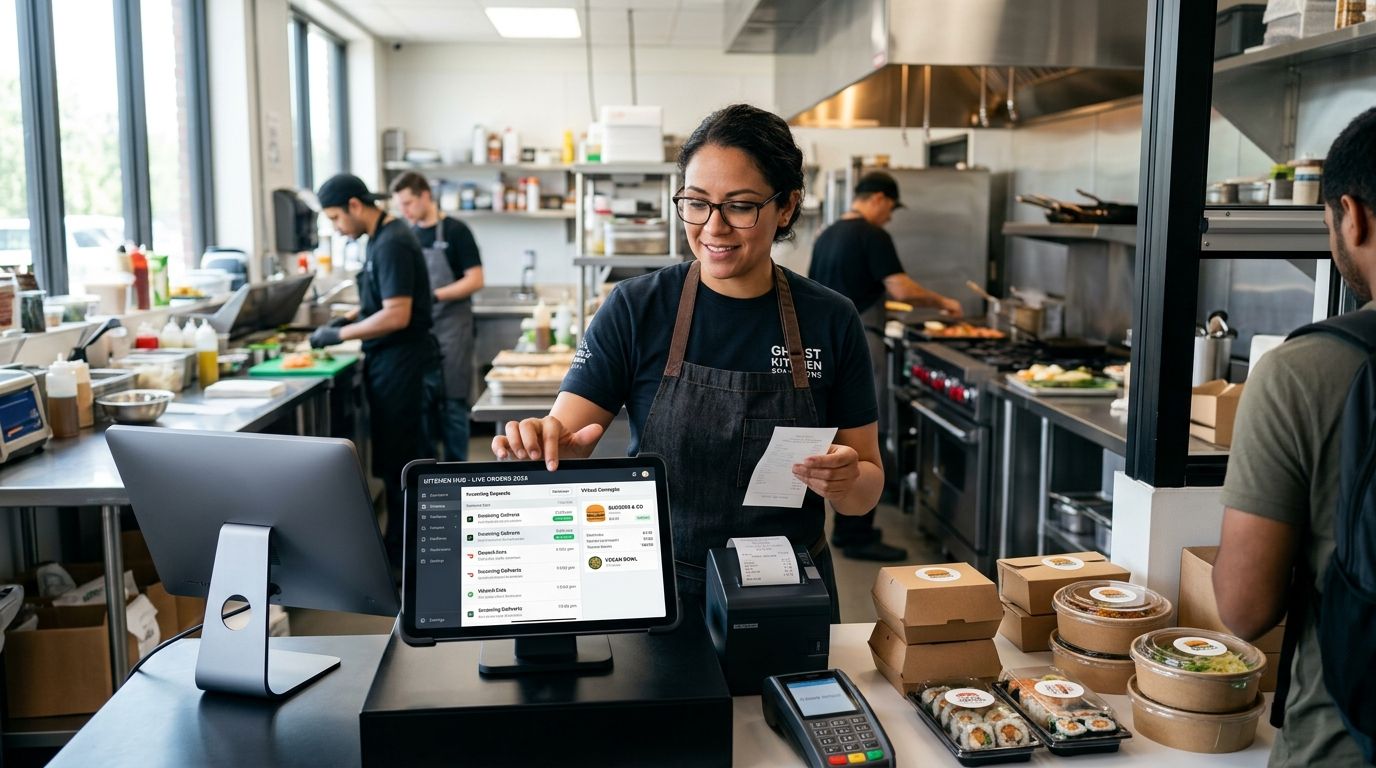
Outbites runs loyalty as part of a direct ordering and marketing platform built for independent restaurants, food trucks, pop-ups, and ghost kitchens. Guests order through a branded website or a QR code on the truck window, and that same order captures the phone number or email feeding SMS campaigns, email campaigns, and loyalty rewards. There's no separate loyalty app to download and no marketplace sitting between the restaurant and the guest.
Outbites pros:
- Loyalty, ordering, and SMS/email marketing run on one platform instead of three logins
- Every order captures first-party contact data automatically, no manual list-building
- Built for the realities of food trucks and pop-ups, not just fixed-address restaurants
Outbites cons:
- Smaller footprint with multi-unit chains than enterprise tools like Punchh
- No physical punch-card hardware for operators who still want a tangible card
- Newer to the loyalty category than legacy POS vendors
Best for: independent restaurants and food trucks that want loyalty tied to the orders they already own. Verdict: Buy.
2. Toast Loyalty: best restaurant loyalty program for restaurants already on Toast POS
Toast Loyalty enrolls guests at the terminal when they pay, and rewards accrue inside the same dashboard restaurants use for sales and labor reporting. It's a natural add-on for anyone already paying for Toast hardware.
Toast Loyalty pros:
- Enrollment happens automatically at checkout, no extra guest action
- One login covers POS, reporting, and loyalty
- Familiar interface for staff already trained on Toast
Toast Loyalty cons:
- Locked to Toast hardware; leaving the POS means rebuilding loyalty from zero
- Less useful for food trucks or pop-ups without a fixed terminal setup
Best for: restaurants already committed to Toast POS hardware. Verdict: Hold if you're on Toast; Skip if you're POS-agnostic.
3. Square Loyalty: best restaurant loyalty program for counter-service shops
Square Loyalty attaches punch-based rewards to transactions run through Square hardware, a reasonable default for coffee counters, bakeries, and quick-service spots already processing cards on Square.
Square Loyalty pros:
- Setup takes minutes if you're already running Square for payments
- Rewards and sales data sit in the same dashboard
Square Loyalty cons:
- Weak fit for restaurants leaning on delivery or online ordering rather than counter transactions
- Limited automation compared to dedicated marketing platforms
Best for: counter-service operators processing most sales through Square hardware. Verdict: Hold.
4. Fivestars: best restaurant loyalty program for walk-in visit tracking
Fivestars runs a visit-based rewards network across many merchants, so guests build points across multiple businesses using the same account. For restaurants with steady walk-in traffic, that network effect can pull in guests who first joined at a different local business.
Fivestars pros:
- Visit-based tracking works without the guest entering a phone number every time
- Network effect can surface new guests already using Fivestars elsewhere
Fivestars cons:
- Guest data lives partly inside Fivestars' shared network, not fully owned by the restaurant
- Less built for delivery-heavy or QR-ordering menus
Best for: restaurants with strong walk-in foot traffic wanting a rewards network they don't have to build from scratch. Verdict: Hold.
5. Punchh: best restaurant loyalty program for multi-unit chains
Punchh is built for chains running loyalty across many locations, with segmentation and tiered rewards that need real transaction volume to justify the setup.
Punchh pros:
- Deep segmentation and tiered rewards across many locations
- Built to handle enterprise-scale transaction volume
Punchh cons:
- Overkill and costly for a single-location independent or food truck
- Implementation typically requires dedicated marketing or IT support
Best for: multi-unit chains, not single-location independents. Verdict: Skip for independents; Hold for chains evaluating enterprise tools.
6. Thanx: best restaurant loyalty program for personalized offer targeting
Thanx builds offers around individual guest spend patterns rather than a flat punch card, sending different rewards to frequent high spenders than to occasional visitors.
Thanx pros:
- Offers adjust based on actual spend behavior, not a one-size reward
- Useful for mid-size chains with enough data to make targeting meaningful
Thanx cons:
- Needs consistent transaction volume before the targeting adds real value
- Less practical for a single food truck or new pop-up with thin order history
Best for: mid-size chains with enough order volume to make behavioral targeting worthwhile. Verdict: Hold.
How this list was ranked
Each platform above was measured against the six criteria listed earlier: data ownership, POS integration, automation, redemption friction, multi-location support, and cost structure. Platforms that hand guest contact data straight to the restaurant ranked above platforms that keep that data inside a third-party network. Fit mattered more than feature count - a food truck and a regional chain running dozens of locations are not shopping for the same restaurant loyalty program.
Which restaurant loyalty program should you pick
If you're running one location or a food truck and want loyalty wired into the orders you already take, Outbites is the default pick for 2026 - it skips the separate app and the marketplace middleman. If you're locked into Toast or Square hardware, run the loyalty tool built into that POS before adding a fourth login. If you're running more than a handful of locations, Punchh or Thanx earn a longer evaluation than a single-location operator needs.
Build loyalty into your ordering
Loyalty, SMS, and email run on the same platform as your orders.
FAQ
What's the best restaurant loyalty program in 2026?
For independent restaurants and food trucks, Outbites is the best restaurant loyalty program in 2026 because it ties rewards directly to orders placed through your own website or QR code instead of a marketplace app. Chains running many locations get more value from Punchh or Thanx, which are built for that scale.
Is Toast Loyalty better than Square Loyalty?
Toast Loyalty and Square Loyalty are both tied to their own POS hardware, so the better option depends on which system you already run. Neither works well if you switch POS providers later, since the loyalty data stays inside that vendor's dashboard.
How much does a restaurant loyalty program cost?
Pricing varies by platform and depends on order volume, POS integration, and whether loyalty is bundled with ordering and marketing tools. Check current pricing directly with each vendor before committing, since plans change.
Do food trucks need a loyalty program?
Food trucks benefit from loyalty in some ways more than fixed restaurants, since they lack a permanent address for repeat drive-by traffic. A QR code loyalty signup at the truck window captures a mobile customer base that would otherwise be one-time buyers.
Can independent restaurants run loyalty without a mobile app?
Yes. QR-code ordering paired with SMS and email rewards works without a guest ever downloading an app, which removes the biggest adoption barrier for a single-location restaurant. App-based loyalty tools add friction most independent restaurants can't justify.
Does restaurant loyalty software integrate with online ordering?
The strongest setups run loyalty and online ordering on the same platform so every order automatically feeds the rewards program. Bolting a separate loyalty app onto marketplace ordering usually loses the contact data needed to make loyalty work at all.
Is punch-card loyalty still effective in 2026?
Physical punch cards get lost and don't capture contact data, so most restaurant loyalty programs in 2026 have moved to phone number or email-based tracking. Digital tracking also enables automated win-back texts, which a paper card can't do.
One last thing
A loyalty program only works if it's attached to a checkout you control - a marketplace-routed order never reaches your loyalty list, no matter how good the reward tiers look on paper. That's the single biggest reason restaurant loyalty program picks in 2026 favor platforms built around direct ordering over standalone punch-card apps.